
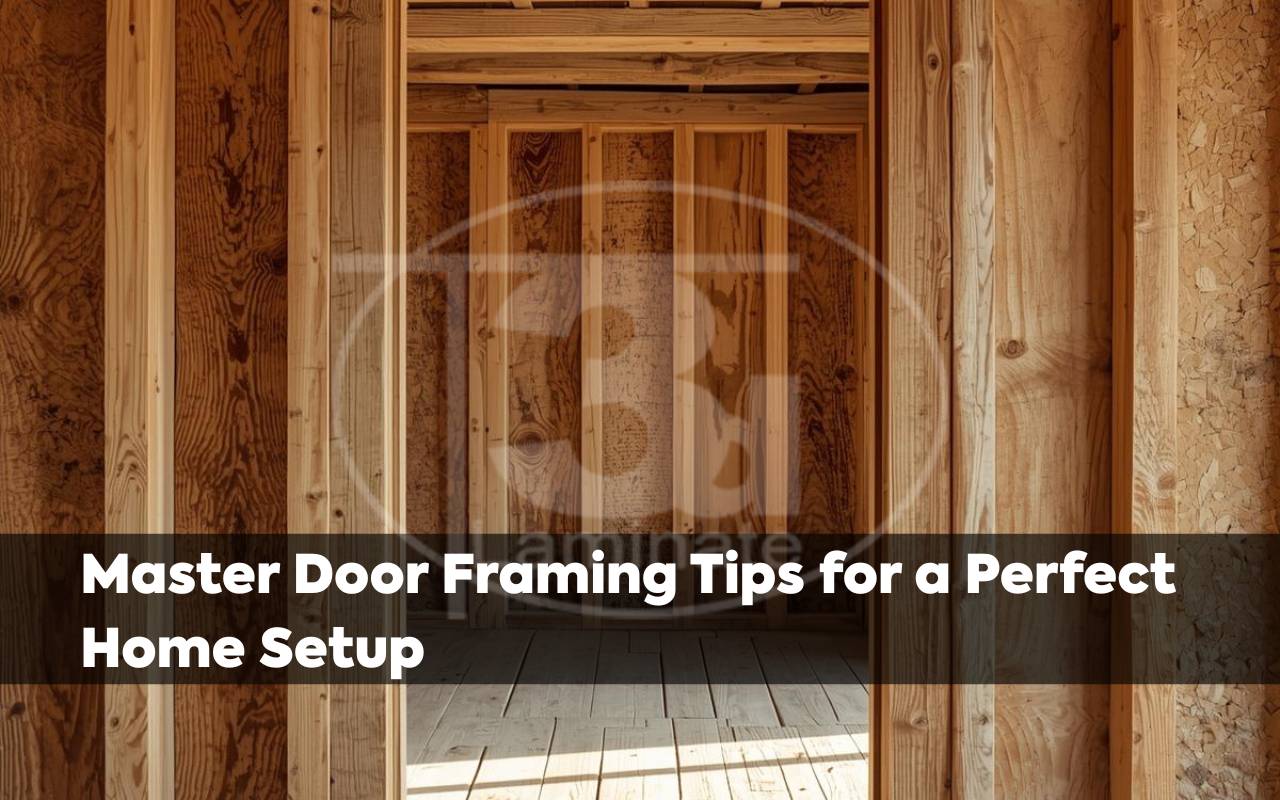
Visualize walking into a room where every detail resonates with precision and elegance. From wall colors to window dressings, everything aligns perfectly. Yet, the doorways truly capture your attention. The magic lies in masterful door framing, a crucial aspect often overlooked in home design. Whether renovating or building anew, understanding door framing can significantly impact your home’s flow and aesthetic. Explore how achieving the perfect door frame goes beyond aesthetics. It creates seamless transitions, enhances structural integrity, and adds value. In this guide, we dive into essential door framing tips that empower both DIY enthusiasts and home improvers on their journey to excellence.
Importance of Door Framing in Home Design
Begin by recognizing that door framing is more than a structural necessity—it sets the tone for your space. A well-framed doorway guides the eye smoothly from one room to another, giving your home flow and harmony. Poorly executed frames can leave gaps, cause misaligned doors, and let drafts slip through. By integrating effective door framing tips into your design plan, you invest in longevity and function. Frames support door weight and help doors open and close without sticking or sagging. Properly aligned frames keep out moisture and sound, making rooms quieter and energy-efficient. Whether renovating or building, focusing on door framing from the start saves headaches and extra costs.
Choosing the Right Materials for Door Frames
Selecting the right material impacts durability, appearance, and installation ease. Options include solid wood, engineered wood, metal, and PVC. Each offers unique benefits. Wood gives classic warmth, metal resists wear, and PVC handles moisture well. Understanding each helps match style with function. Wood frames provide natural beauty with grain patterns that can be stained or painted. Engineered wood combines fibers with resins for stability. Metal frames, often steel or aluminum, offer strong support for heavy doors. PVC frames shine in humid areas, resisting warping with minimal upkeep. Evaluate location, usage, and budget to choose the ideal frame for your home.
Understanding Standard Door Frame Measurements
Grasping standard dimensions is key for successful door framing tips. Most interior doors require a rough opening 2 inches wider and taller than the door. For example, a 30-inch door usually needs a 32-inch opening. Similarly, 80-inch-high doors typically call for an 82-inch opening. These extra inches allow space for shims and adjustments. Knowing height, width, and depth prevents costly mistakes. Door jamb thickness usually ranges from 4 9/16 inches for typical wall cavities. Double-check door slab sizes and frame kits. Precise measurements ensure a snug fit and smooth installation.
Tools Needed for Door Framing
- Tape measure, level, and framing square for alignment.
- Hammer, chisels, and utility knife for trimming shims and adjustments.
- Cordless drill or screwdriver to secure screws efficiently.
- Coping saw or jigsaw for cutting jambs, and pry bar for removing old frames.
- Rubber mallets to seat frames without damage, and caulk gun for sealing gaps.
Having all tools ready before starting ensures a smooth process. This is one of the key door framing tips every DIYer should follow.
Preparing the Door Frame Opening
Before installation, ensure the rough opening is clean and level. Remove debris, old nails, and uneven plaster. Inspect for rot or water damage and fix any issues. A stable foundation prevents frame shifts. Check opening dimensions against your frame. Use shims to correct small deviations and mark adjustments. A precise prep stage guarantees longevity and proper performance.
Installing the Door Frame Correctly
Set the frame into the opening, keeping it centered and straight. Drive screws through pre-drilled holes near top, middle, and bottom. Insert shims behind the jamb to maintain plumb and level, but avoid over-shimming. Secure the opposite jamb and periodically re-check alignment. Install the head jamb across the top. Trim shim excess for a flush fit. Proper installation ensures smooth operation and a tight seal, essential door framing tips for a flawless finish.
Tips for Ensuring Structural Integrity
- Use long screws into solid studs for lasting support.
- Reinforce corners with metal brackets or corner braces.
- Fill spaces with low-expansion foam to prevent twisting.
These measures keep doors stable, functional, and aligned for years. Attention to detail enhances both durability and aesthetics.
Finishing Touches for a Polished Look
Once the frame is set, add trim and molding to hide seams. Choose a style complementing your door and décor. Caulk joints between trim and walls for a seamless appearance. If painting or staining, apply primer first. Two thin coats look better than one heavy coat. Lightly sand between coats for smoothness. These small steps elevate a practical frame into a standout design element.
Common Mistakes to Avoid in Door Framing
- Skipping measurement review leads to poor fits and wasted materials.
- Over-shimming can twist the frame and bind doors.
- Using nails alone reduces holding power.
- Skipping foam insulation may cause drafts and rattles.
- Failing to re-check plumb and level compounds errors.
Steering clear of these mistakes helps apply solid door framing tips for a first-rate result.
FAQs About Door Framing
What are the most important door framing tips for beginners?
Focus on accurate measurements, level alignment, and choosing the right material. Preparation is key for smooth installation.
How do I choose the right material for a door frame?
Consider durability, moisture exposure, and home style. Wood, metal, and PVC all offer specific benefits depending on needs.
What tools are essential for successful door framing?
Level, tape measure, framing square, hammer, chisels, utility knife, drill, and shims are all crucial.
How can I prevent door frames from twisting?
Use long screws anchored in studs, reinforce corners with brackets, and fill gaps with low-expansion foam.
Why is prep important before installing a door frame?
Proper prep ensures level openings, prevents shifting, and contributes to a smooth, lasting installation.
Elevating Your Home with Masterful Door Framing
Mastering door framing tips transforms a doorway into a refined feature. Focus on material selection, accurate measurements, and careful installation. Whether updating an old home or building new, these guidelines ensure lasting results. For custom doors, explore Custom Doors Texas to match your home’s style. To get professional guidance, visit our Contact Us page. Attention to detail turns doors into striking highlights in your home’s design.