
Cabinet Door Styles Explained helps you make better choices for your kitchen, bathroom, or storage projects. When you know how each style works, you avoid costly errors and frustration. This guide breaks down common terms, popular designs, and typical mistakes so you can plan with confidence and choose doors that fit your home and lifestyle.
Because remodeling is a big investment, every decision matters. Therefore, understanding materials, finishes, and basic construction details saves time and stress. In addition, it keeps your project on budget. As you read, you will see simple tips, real-world examples, and practical ideas you can use before ordering your next set of cabinet doors.
Why Cabinet Door Styles Explained Matter for Your Project
Many homeowners focus on countertops or appliances first. However, cabinet doors define the look and feel of the whole room. The style, edge shape, and panel design influence both design and cleaning. Choosing wisely helps your kitchen or bath feel timeless instead of dated after just a few years.
Designers often start with the door style because it guides every other choice. For example, a modern slab door suits flat pulls and smooth surfaces. Meanwhile, a detailed raised panel works better with classic finishes and warm colors. When you understand these links, it becomes easier to coordinate cabinets, hardware, and lighting.
- Improve daily function with doors that open and close smoothly.
- Reduce cleaning time by avoiding fussy grooves in busy spaces.
- Support home value with styles that age gracefully.
- Match existing trim and flooring more easily.
Overview of Popular Cabinet Door Construction Terms
Before you compare door designs, it helps to learn a few simple construction words. These basic ideas appear in catalogs, design meetings, and shop drawings. Once you recognize them, you can ask better questions and avoid surprises when the doors arrive and get installed in your home.
- stile and rail
- profile
- routing
- 3D thermofoil
What “stile and rail” means
Many classic doors use a frame-and-panel design. The vertical pieces are called stiles, and the horizontal ones are called rails. Together, the stile and rail frame hold the center panel in place. This layout adds strength and gives you that familiar Shaker or raised-panel look seen in many kitchens.
Understanding the door edge profile
The word profile describes the shape you see when you look at the edge or detail of the frame. A square profile looks clean and modern. A softer, curved profile feels more traditional and decorative. Because the profile affects cleaning, busy households often prefer simple shapes that gather less dust and grease.
How routing shapes your cabinet doors
On many doors, a router cuts the design into the panel or frame. This process is called routing, and it creates grooves, arches, and other shapes. Simple routed lines can highlight the panel without feeling heavy. However, very deep or narrow cuts may trap crumbs and make cleaning much more difficult.
What is 3D thermofoil?
Some doors use a smooth core wrapped in a vinyl-like layer. This wrap is known as 3D thermofoil. It can mimic painted wood or even subtle grain while staying budget-friendly. When installed and cared for correctly, it offers a consistent finish and works well in spaces where you want a uniform, easy-to-wipe surface.
10 Cabinet Door Styles Explained and Common Mistakes
Now that you know basic terms, it is time to look at popular styles. Each design has strengths and common errors. As you read, compare these notes with your own space, habits, and storage needs. That way, you can enjoy the look you love without running into daily frustrations later.
-
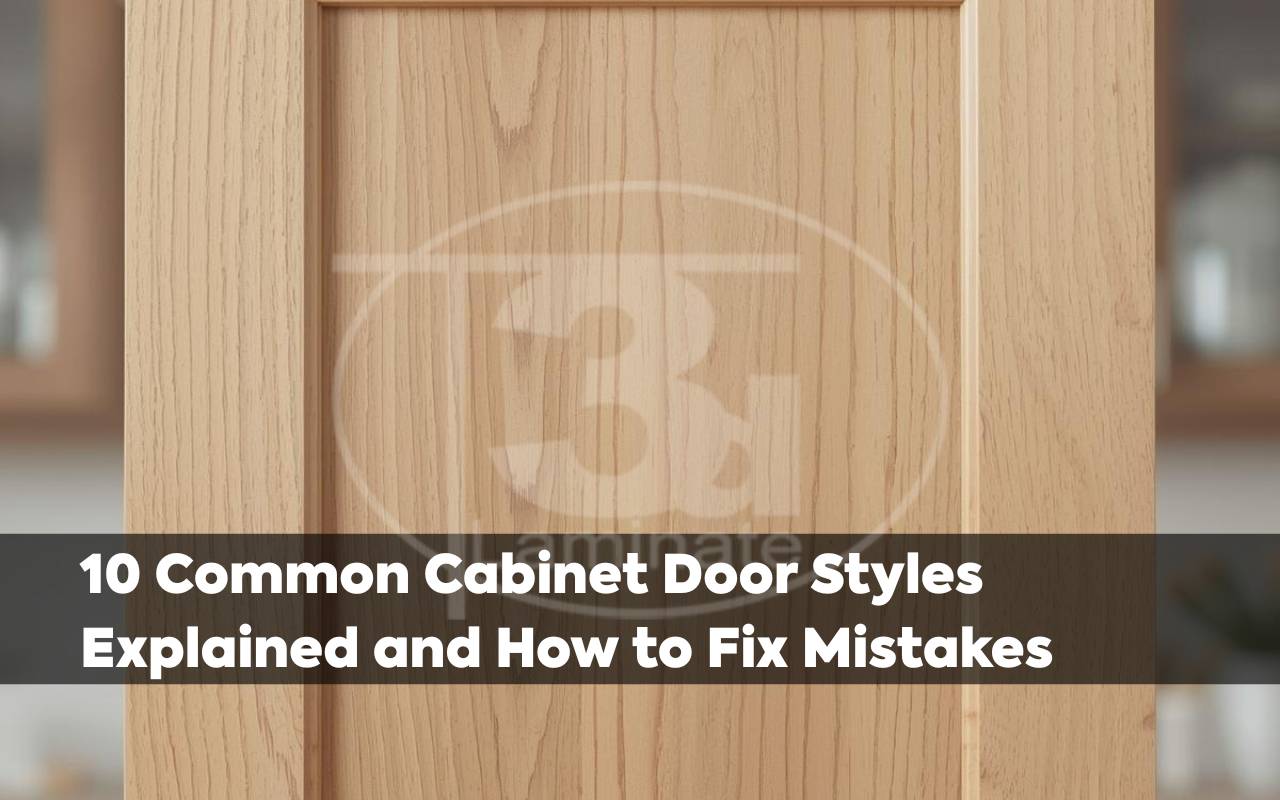
Shaker doors use a simple frame with a flat center panel. A frequent mistake is choosing them in a very bright white without checking lighting. Under harsh light, dust and smudges stand out. Therefore, consider a softer white or warm neutral in busy family kitchens.
-
Raised panel doors feature a thicker center with shaped edges. The big error here is pairing them with ultra-modern hardware and glossy finishes. This clash feels confusing. Instead, choose warm metals and gentle sheens that support the traditional character of the raised panel shape.
-
Flat slab doors create a smooth, modern surface. However, fingerprints can show easily on dark, glossy versions. Many people forget to test samples in real light. To avoid frustration, test several colors and sheens, and consider adding soft-close hinges to keep the sleek, quiet feel.
-
Beadboard doors have narrow vertical lines across the panel. The main mistake is using them on every cabinet in a small kitchen. Too many lines make walls feel busy. Therefore, try beadboard only on an island or a few accent cabinets for balanced charm.
-
Glass-front doors open up a room and display dishes. The common error is forgetting about what goes inside. Cluttered shelves can ruin the effect. Plan ahead and store simple dishes or glassware behind these doors, while hiding less attractive items elsewhere.
-
Mullion doors divide the glass with thin bars. These look beautiful but show every fingerprint and streak. People often underestimate cleaning needs. If you love the look, concentrate them in key areas, such as flanking the range or sink, instead of lining every wall.
-
Louvered doors include horizontal slats with small gaps. They provide airflow, which suits pantries or laundry spaces. However, the gaps can collect dust. Many homeowners place them near cooking zones and later regret the maintenance. Use them thoughtfully where ventilation truly matters.
-
Arch-top doors have a curved top panel. The big mistake is mixing several arch shapes across one room. This creates visual noise. If you choose arches, keep the curve style consistent and match it with other soft design elements, such as rounded hood lines or window tops.
-
Mitered frame doors use angled joints at each corner. They look refined but require precise manufacturing. Low-quality mitered doors may open at the seams over time. Therefore, work with a trusted supplier and make sure humidity in the room stays as stable as possible.
-
Specialty doors, including carved designs or heavy details, can create a strong focal point. A common mistake is using them everywhere. Instead, treat them like jewelry. Place a small group on a hutch or above a range, and keep surrounding doors simpler to avoid overload.
Tools and Resources for Choosing Cabinet Doors
Once you have a short list of favorites, it helps to compare real samples and photos. Digital images give ideas, but real light and touch reveal much more. In addition, talking with knowledgeable suppliers can uncover options you might miss when browsing alone or relying only on catalog drawings.
- Collect color chips, sample doors, and hardware pieces together.
- Take photos of your room at different times of day.
- Review inspiration images that match your home’s age and layout.
- Note how often you cook and clean to guide material choices.
For inspiration, explore a detailed cabinet door style gallery to see how each design looks in finished spaces. Then, compare those examples with the natural light, flooring, and counters in your own room. This step often clarifies which styles truly fit your daily life.
If you want more tailored options, you can review custom cabinet doors in Texas that match local tastes and home styles. Additionally, many homeowners prefer to save time on assembly. In that case, consider ordering fully assembled cabinet doors that arrive ready for installation.
When you understand Cabinet Door Styles Explained, it becomes easier to balance budget, design, and durability. You can see which upgrades matter and which details you can skip. Therefore, you make fewer impulse choices and gain a cabinet layout that fits both your space and your future plans.
Frequently Asked Questions
Which cabinet door style is easiest to clean?
Flat slab doors are usually the easiest to clean because they lack grooves and deep corners. Shaker doors come next, especially with a simple square edge. To reduce cleaning time further, choose durable paint or laminate finishes and avoid heavy texture around cooktops and busy prep zones.
How do I choose the right style for a small kitchen?
For small kitchens, simple styles work best. Shaker or flat slab doors with light colors help the space feel larger. Glass-front doors on a few upper cabinets can also open the room. However, avoid many ornate details, dark finishes, or heavy crown pieces that visually shrink the walls.
Can I mix cabinet door styles in the same room?
Yes, you can mix styles if you do it with clear rules. For example, use one main style for most cabinets, and a second style only on the island or a hutch. Keep colors related and hardware consistent. This approach adds interest while still feeling calm and intentional.
What door style works best with busy families?
Busy families often like simple, durable designs, such as Shaker or flat slab doors with a gentle sheen. These styles hide fingerprints better than high gloss and clean up quickly. Rounded profiles and soft-close hardware also help protect little hands and keep the kitchen quieter during hectic days.
When should I involve a cabinet door specialist?
You should involve a specialist when you start planning layout changes, appliance moves, or major finish updates. Early advice prevents costly errors with clearances and hinge choices. A professional can explain material options, suggest practical upgrades, and help you coordinate doors with counters, flooring, and lighting.
Ready to Update Your Cabinet Doors?
With Cabinet Door Styles Explained in clear language, you can move from guesswork to smart decisions. First, narrow your choices to a few styles. Next, gather samples, compare them in your space, and review real project photos. When you want expert guidance, you can contact our team to discuss the best path for your home.