
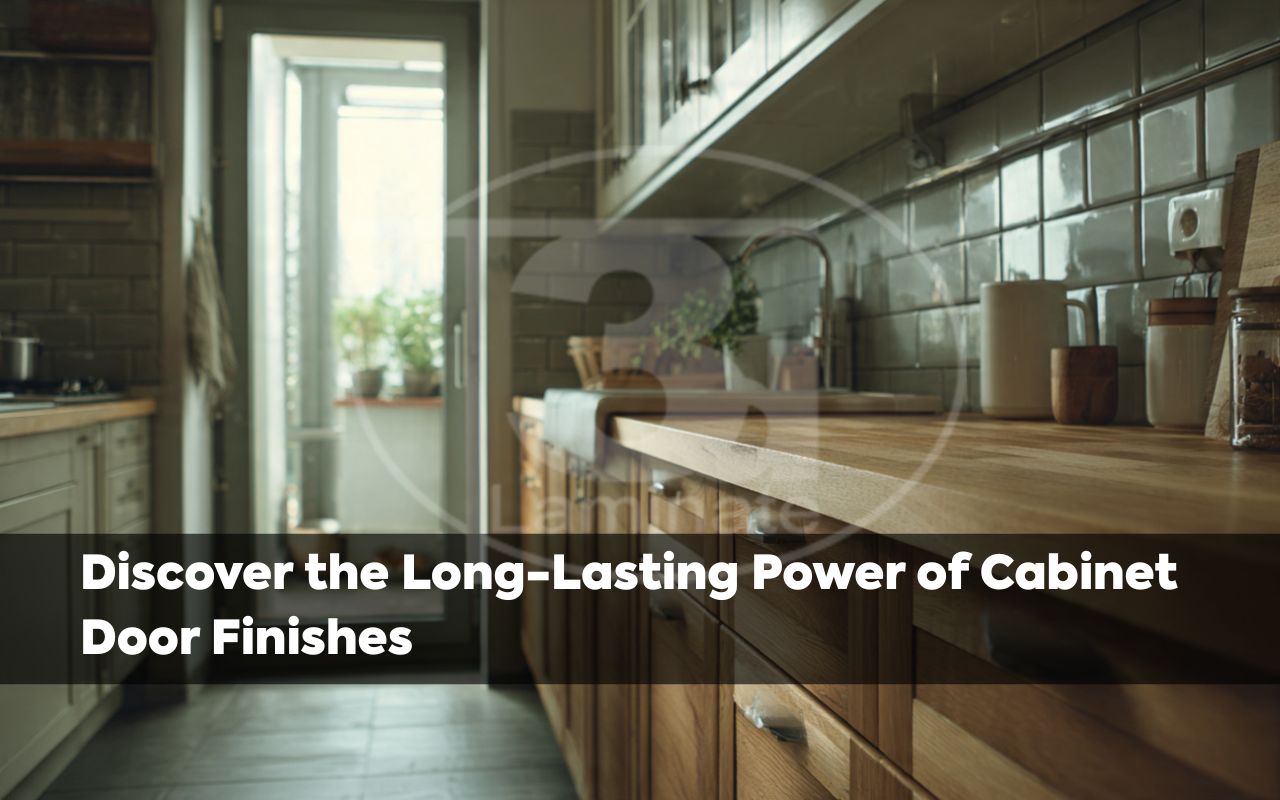
Step into the world of home design, where details shape the whole space. Cabinet doors do more than work well; they add style and balance. When you invest in kitchens or baths, Cabinet door finishes durability can save time and stress. Scratches, fingerprints, and cleaning issues can quickly ruin a fresh look.
Still, daily life is tough on cabinets. Doors face bumps, heat, spills, and sticky hands. However, by learning abrasion class ratings and better cleaning habits, you can protect your cabinets for years. In this guide, you’ll see how to choose finishes that handle real life and still look great.
Why Durable Cabinet Door Finishes Matter
Cabinet door finishes durability is not only about appearance. Instead, it helps doors handle moisture, small hits, and daily use. In busy kitchens, doors face heat, oil, and water often. So, a strong finish reduces the need for repainting or refinishing later.
Also, durable finishes make cleaning simpler. When grease and fingerprints show up, you can wipe them away with less risk. As a result, colors stay bright and surfaces stay smoother. Over time, the right finish lowers upkeep and keeps your space looking tidy.
Common Cabinet Door Finish Materials
Before you decide, compare materials based on daily wear and your cleaning routine. Although many finishes look similar at first, they can age very differently. Consider these popular options:
- Paint: Flexible color choice, yet it can chip if not sealed well.
- Lacquer: Smooth shine, but fine marks may show with heavy use.
- Thermofoil: Moisture-friendly and easy to wipe, though edges may lift near heat.
- Wood stain: Shows grain nicely, but it needs steady care to stay protected.
- Polyurethane coat: Strong barrier against moisture and scuffs.
- Acrylic finish: Deep color and high wear strength for premium looks.
- Laminate: Factory-made surface that resists many stains and supports easy cleaning.
In addition, if you want doors built for smooth fit and consistent quality, explore assembled cabinet doors that pair well with durable surfaces.
How Abrasion Class Ratings Help You Choose
Abrasion class ratings show how well a finish handles wear. Generally, classes run from 1 (low) to 5 (high). So, a class 1 or 2 may work in a quiet guest bath. However, a busy kitchen often needs class 3 or 4.
Higher abrasion class options often use tougher resins or added top layers. Because of that, they handle repeated wiping and daily door use better. In short, matching abrasion class to your lifestyle helps your finish last longer.
What to Consider for a Long-Lasting Finish
To choose well, think about traffic, moisture, and light. Also, reflect on how often you clean and what you use. While style matters, daily habits often decide how long a finish looks new. Keep these factors in mind:
- Room usage level, especially in family kitchens.
- Moisture risk near sinks, dishwashers, and cooking zones.
- Sunlight exposure that can fade colors over time.
- Gloss level, since glossy doors show fingerprints more easily.
- Your cleaning schedule and preferred products.
Cabinet door finishes durability improves when you balance function and style. For example, satin or matte can hide small marks better than high-gloss. Meanwhile, premium coatings can reduce touch-ups over time.
Cleaning Techniques That Protect Your Cabinet Doors
Gentle care supports Cabinet door finishes durability. First, use a microfiber cloth with warm water and mild dish soap. Then, wipe softly and dry right away. As a result, you avoid water spots and edge swelling.
For fingerprints, a damp cloth often works fast. However, for grease, let the soapy mix sit briefly, then wipe. Avoid rough pads or harsh cleaners, because they can dull the surface. Also, handle spills quickly to stop buildup.
New Finish Options That Add Strength
Today’s finishes can be both stylish and tough. For instance, UV-cured coatings harden fast and resist marks well. Likewise, nano-style layers help repel water and oil, so cleaning becomes easier and Fingerprints appear less noticeable.
In addition, some finishes include germ-fighting materials for food spaces. Water-based coatings have also improved, offering low odor and solid wear strength. If you want a full cabinet plan built for real use, see custom cabinets in Texas that can be paired with modern coatings.
Protective Coatings That Extend Finish Life
Top layers can boost Cabinet door finishes durability, especially over paint or stain. A clear polyurethane or polycrylic coat adds a barrier against moisture, marks, and common cleaners. Because of that, it can improve long-term wear.
Some owners also choose wax or oil for wood, although it needs repeat care. For a harder shield, ceramic-based sealers create a very firm layer. In any case, a protective coating can reduce daily damage and simplify Cleaning.
Practical Tips to Make Finishes Last Longer
Small habits can protect cabinet doors every day. For example, soft-close hinges reduce edge impact. Also, keeping doors aligned prevents rubbing. Try these easy steps:
- Add soft-close hinges or bumpers to reduce hits.
- Adjust hinges so doors hang evenly and do not scrape.
- Use trays to catch moisture on nearby surfaces.
- Limit direct sun with shades or timed blinds.
- Touch up small chips early to stop spreading.
These habits support Cabinet door finishes durability without adding much effort. Also, if you want guidance specific to your project, you can reach Total 3D Laminate LLC for finish-friendly cabinet options.
Real Homes That Prove Finishes Can Stay Beautiful
Real homes show what works. In a modern apartment, glossy acrylic doors stay bright even with daily wiping. Meanwhile, a family kitchen with matte paint plus a clear top layer hides small marks well. In coastal homes, UV-cured lacquer can handle sun and salty air with less fading.
Even older wood cabinets can feel new with a strong clear coat. When the finish fits the space and habits, Cabinet door finishes durability becomes easier to maintain. Over time, that means less repair work and a cleaner look.
Frequently Asked Questions
What abrasion class is best for a busy kitchen?
Generally, class 3 or 4 works well. However, if your kitchen is very active, aim for class 5.
Which finish hides fingerprints the most?
Usually, matte and satin finishes hide smudges better. Also, anti-smudge coatings can reduce Fingerprints.
What is the safest way to clean cabinet doors?
Use warm water, mild soap, and a microfiber cloth. Then dry fully to prevent moisture marks.
Do protective topcoats really help durability?
Yes, they add a clear barrier. As a result, the base finish faces fewer scratches and stains.
How often should I clean my cabinet doors?
Do a light weekly wipe, and clean spills right away. This keeps grime from settling into the surface.
Making a Smart Choice for Timeless Style
Choosing the right finish blends style and long-term value. By weighing abrasion class, daily wear, and modern coatings, you can pick a surface that resists damage. Cabinet door finishes durability improves when the finish matches your routine, light exposure, and cleaning habits.
Whether you prefer acrylic, paint with a clear sealer, or newer protective layers, steady care keeps cabinets looking fresh. With simple cleaning and smart hardware choices, your doors can stay beautiful for many years.