
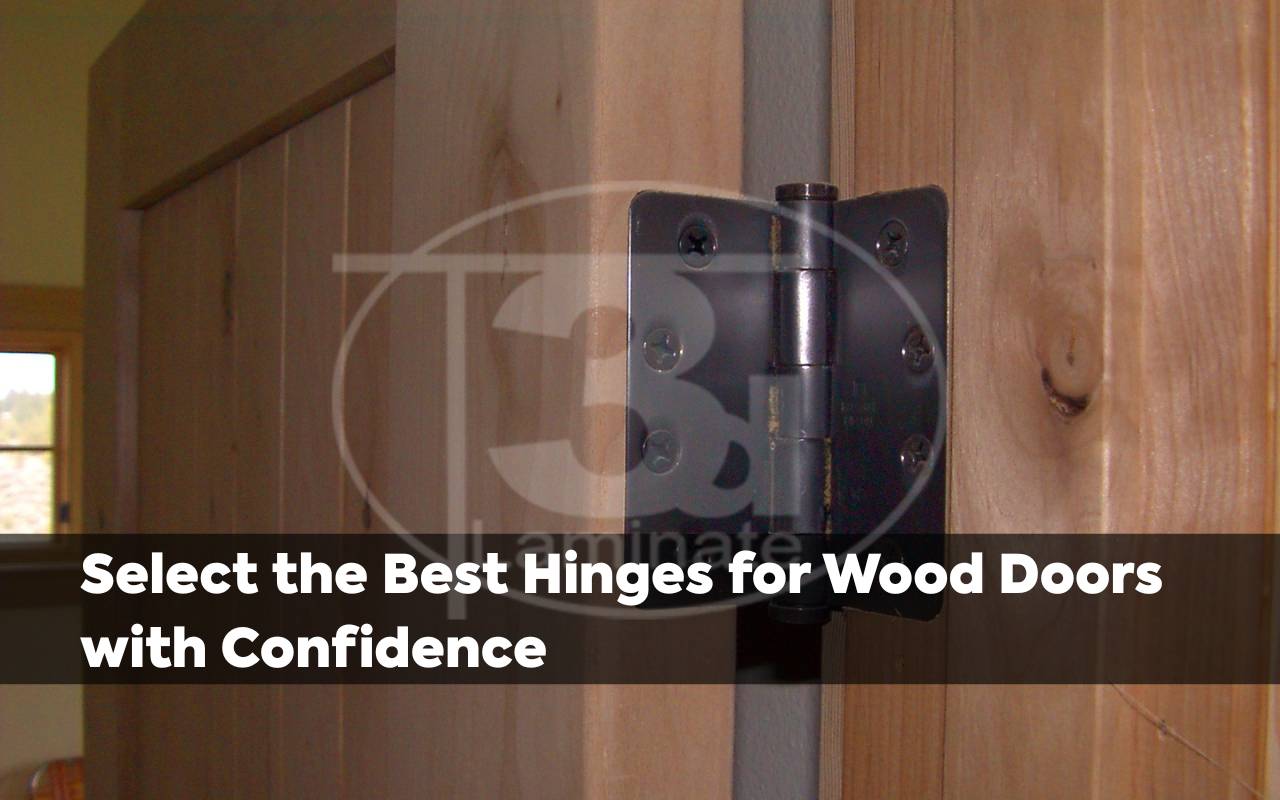
Choosing the right hinges for wood doors can feel like searching for a needle in a haystack. With so many options available, each promising durability and style, how do you make a choice you can trust? The frustration of squeaky doors or poorly fitting hinges can turn any home improvement project into a headache. It’s essential to understand what makes the best hinges for wood doors stand out, ensuring your doors function smoothly and enhance your home’s style.
Understanding the Importance of Choosing the Right Hinges
Selecting suitable hinges is crucial for how well your wood doors perform. Poorly chosen hinges can cause doors to sag, bind, or squeak. The best hinges for wood doors provide smooth operation, support door weight, and resist wear. Good hinges also complement your home décor, blending with door styles and finishes. By investing time in the right hinge, you ensure your doors remain attractive and dependable for years.
Assessing Door Weight: A Crucial Factor in Hinge Selection
- Measure your door accurately. Hollow-core doors may weigh 25 pounds, while solid wood doors exceed 80 pounds.
- Use hinges rated for your door weight to prevent sagging and frame strain.
- Always round up your estimate to select hinges with extra support capacity.
- Matching hinge capacity to door weight increases longevity and reduces maintenance.
Obtaining precise measurements can be easy using a bathroom scale or manufacturer specifications. Choosing hinges designed for your door weight prevents early wear and frequent adjustments.
Exploring Different Hinge Materials for Wood Doors
- Brass: classic appearance and corrosion resistance for interior doors.
- Stainless Steel: durable, rust-resistant, handles heavy loads for exterior or humid areas.
- Bronze/Iron: add rustic charm but require maintenance to prevent rust.
- Zinc Alloy: budget-friendly, decent strength, may wear faster.
Considering weight, moisture, and style ensures long-lasting performance. The best hinges for wood doors combine sturdy material with a matching finish for function and flair.
Matching Hinge Styles with Your Home’s Décor
Traditional butt hinges suit classic homes, while concealed or European hinges fit modern cabinets. Decorative hinges enhance craftsman or Victorian doors. Consider coordinating hinges with knobs, pulls, and light fixtures for cohesive interiors. Mixing styles excessively can create a disjointed appearance. Stick to one style family and finish type for a polished look.
Ensuring Proper Size and Fit for Your Wood Doors
- Measure door thickness accurately. Interior doors: 1 3/8 inches, exterior doors: 1 3/4 inches.
- Choose hinges with matching leaf width and barrel diameter for snug fit.
- Pre-drill and chisel a shallow mortise for flush installation.
- Proper sizing ensures smooth door swing without binding or uneven gaps.
Considering Hinge Finishes for Durability and Aesthetics
Oil-rubbed bronze and antique brass hide fingerprints and scratches. Satin nickel or brushed stainless resist rust for modern interiors. Outdoor doors benefit from powder coating or weather-resistant finishes. Matte finishes hide wear; glossy finishes require more maintenance. Matching hinge finish to other hardware creates a unified look and simplifies future updates.
Installation Tips for Wood Door Hinges
Gather tools: chisel, drill, screwdriver, hammer, pencil, and level. Pre-drill screw holes to avoid splitting. Position hinge leaf on door edge, chisel a shallow mortise, then attach screws. Align hinge on frame, pre-drill, and secure. Hang door by fitting pins together, check swing and level, and adjust as needed. Proper installation ensures long-lasting, smooth operation.
FAQs
How do I choose the right hinge for a heavy wood door?
Check the door weight and select hinges rated slightly above that weight. This prevents sagging and extends hinge life.
What is the best material for wood door hinges?
Brass and stainless steel are popular for durability and style, while bronze and iron suit decorative purposes but need maintenance.
Can hinge finish affect durability?
Yes, weather-resistant finishes protect against moisture and wear. Matching finish to décor also enhances home aesthetics.
How often should I maintain my door hinges?
Clean and lubricate every six months, checking screws and adjusting if necessary. This keeps doors functional and quiet.
Why do doors sag even with proper hinges?
Loose screws or undersized hinges can cause sagging. Tightening screws or upgrading to sturdier hinges solves the problem.
Elevating Your Home with the Perfect Hinges
Choosing the best hinges for wood doors involves weight, material, style, size, and finish. Proper installation, maintenance, and troubleshooting ensure long-lasting operation and stylish doors. For expert guidance, visit our Contact Us page or explore Custom Doors Texas to find high-quality options for your home. By investing in the right hinges, you combine functionality, elegance, and long-term value.