
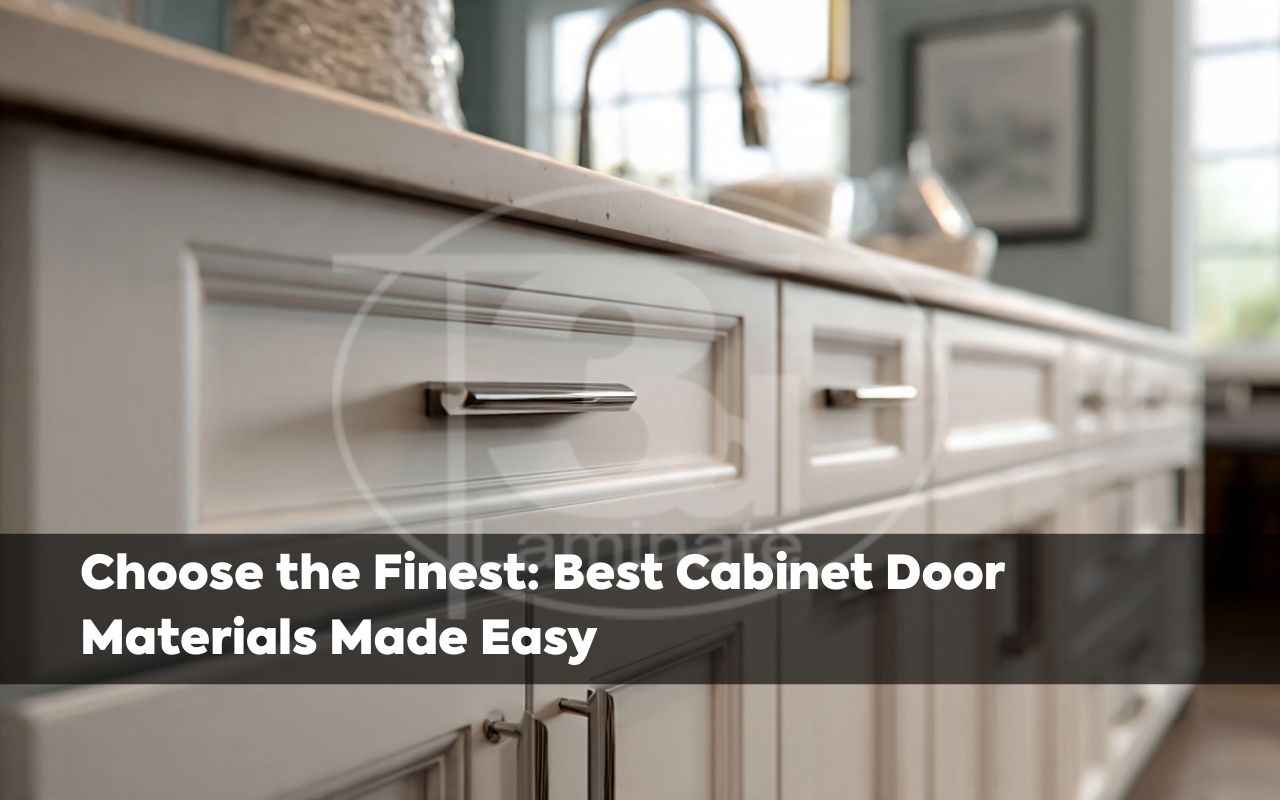
Best Cabinet Door Materials can completely change how your kitchen or bathroom looks and works every single day. In home design, the right door surface quickly transforms any room. Yet so many options can feel confusing. You may open a smooth, sleek cabinet front and wonder which material creates that clean, seamless finish.
Whether you are updating a full kitchen or refreshing one corner, understanding the Best Cabinet Door Materials is essential for beauty and function. This guide explains MDF, 3D thermofoil, solid wood, and more in clear language. You will also see why moisture resistance matters, so your cabinets stay stunning, practical, and true to your style over time.
Solid Wood: Timeless Elegance for Your Cabinets
Solid wood stays a favorite choice for homeowners who want warmth and character. Each piece of wood has its own grain and color, so every door feels unique. Oak, maple, and cherry are popular because they are strong and beautifully toned. These woods handle daily bumps and knocks without quickly losing their charm.
Solid wood doors often cost more than other options. However, they reward you with long life and the chance to refinish them when scratches appear. Their classic style works with both traditional and modern rooms. If you want a long-term solution with real personality, solid wood remains a smart investment.
- Warm, natural look that ages gracefully over time.
- Can be sanded and refinished to refresh worn areas.
- Strong enough to handle busy family kitchens and bathrooms.
MDF (Medium-Density Fiberboard): Affordable and Versatile Option
MDF, or medium-density fiberboard, is a popular pick for people who want value and style together. It is made by pressing tiny wood fibers with resin, which creates a smooth and even panel. This surface takes paint very well, so it is easy to get a clean, modern look in almost any color.
MDF cabinet doors often come in shaker or raised panel designs, giving plenty of style choices. They resist small temperature changes and are less likely to warp than solid wood. Although MDF is not as strong as plywood, proper sealing boosts its moisture resistance. This balance makes it appealing for many kitchen and bathroom projects.
- Very smooth surface that is perfect for painted finishes.
- Budget-friendly choice that still looks polished and neat.
- Stable material that helps reduce cracking and warping.
If you prefer simple installation, you can also choose
assembled cabinet doors. These ready-to-install options help you enjoy fresh cabinetry faster while still matching the style you love.
Particleboard: Budget-Friendly Choice with Some Limitations
Particleboard is created by gluing small wood chips and particles under heat and pressure. This makes a lightweight, low-cost panel. For remodels on a tight budget, particleboard cabinet doors can help your money go further. They are usually finished with a thin veneer or laminate that copies the look of wood or solid colors.
However, particleboard does have limits. It can sag or swell if it meets water or constant humidity. Over time, heavy use or leaks may cause edges to crumble or flake. Because of this, particleboard works best in dry spaces and on doors that will not carry heavy loads every day.
Plywood: Durable and Strong Material for Cabinet Doors
Plywood is built from thin layers of wood veneer, stacked with the grain running in different directions. This cross-layering gives it strength and stability. Plywood cabinet doors resist bending and warping, even in kitchens filled with steam and heat. That is why many higher-end cabinets rely on plywood for long-lasting performance.
Plywood also offers a natural wood look at a lower cost than many solid wood species. The layers along the edges can add a modern, stylish detail when left visible. You can paint or stain plywood to match almost any décor. Because of this balance, many homeowners place plywood high on their list of the Best Cabinet Door Materials.
Thermofoil: Modern Aesthetics with Easy Maintenance
Thermofoil doors use a vinyl layer that is vacuum-pressed over MDF or another engineered core. This process forms a smooth, seamless surface with consistent color and texture. The result is a sleek door that hides fingerprints and stains better than many painted finishes. You will often see 3D thermofoil designs that mimic raised or shaped panels.
One of the biggest benefits of 3D thermofoil is its low upkeep. Usually, a quick wipe with a damp cloth keeps these doors looking fresh. However, strong heat or long exposure to moisture can cause the vinyl to peel or bubble, especially at the edges. To protect your doors, avoid placing thermofoil fronts directly beside ovens or powerful heaters.
Laminate: Stylish and Resilient Material for Cabinet Doors
Laminate doors use a thin plastic surface fused to a board, often MDF or particleboard. This top layer can copy wood grain, stone patterns, or simple solid colors. As a result, laminate offers a huge range of design choices. It is also easy to clean, which is helpful in busy kitchens and bathrooms.
Laminate stands up well to scratches and everyday spills. Small messes usually wipe away without leaving stains. However, edges can chip if they are hit hard. When you choose laminate, look for doors with well-sealed or reinforced edges. This detail helps them last longer while keeping their bold, stylish look.
Glass: Adding Elegance and Light to Your Space
Glass cabinet doors bring lightness and brightness into any space. Clear, frosted, or textured glass panels can make a room feel more open. They also give you a chance to show off beautiful dishes, glassware, or décor. Glass inserts are often set into wood or MDF frames, which keeps the doors strong and stable.
However, glass needs a bit more care. Smudges, fingerprints, and water spots can show quickly, so regular cleaning is helpful. Tempered glass is the safest choice because it is stronger and, if it breaks, it crumbles into small pieces instead of sharp shards. With simple maintenance, glass doors add elegance and depth to your room.
For visual ideas and real-life combinations of glass, wood, and painted styles, you can explore our
cabinet design gallery. It is a helpful way to see how different materials look once installed.
Stainless Steel: Sleek and Contemporary Cabinet Door Material
Stainless steel doors bring a cool, modern feel often seen in professional kitchens. They pair nicely with minimal or industrial décor. Metal surfaces resist heat, moisture, and many stains, which makes them very durable. If you want your cabinets to feel unique and bold, stainless steel can be an eye-catching choice.
However, stainless steel is not perfect. Strong impacts can leave dents, and shiny finishes can show fingerprints or streaks. A brushed finish can reduce these marks and make cleaning easier. While stainless steel may cost more to start, its toughness and simple care routine make it appealing for high-traffic spaces.
Moisture Resistance: A Crucial Factor for Longevity
Moisture resistance plays a key role in how long your cabinet doors stay in good shape. In kitchens and bathrooms, steam, splashes, and spills are part of daily life. Materials such as well-sealed plywood, treated MDF, and quality laminates deal better with damp air. Vinyl surfaces on 3D thermofoil doors also add helpful protection.
When you choose your doors, look for products that are rated for humid spaces. Edges and joints should be sealed to keep water from sneaking inside the panels. Moisture resistance is one reason these options rank among the Best Cabinet Door Materials for busy kitchens and bathrooms, especially in homes with active families.
- Use sealed plywood or treated MDF in wet or steamy rooms.
- Choose 3D thermofoil or laminate for extra surface protection.
- Seal edges and joints to reduce swelling, peeling, or cracking.
Frequently Asked Questions
Which cabinet door material lasts the longest?
Solid wood and high-quality plywood often last the longest when they are properly sealed and cared for. They handle daily use well and can be refreshed with new finishes. Additionally, good moisture control in the room helps any material stay strong for many years.
Is MDF a good choice for kitchen cabinet doors?
Yes, MDF works well for many kitchens, especially when you want smooth painted doors. It resists small temperature changes and does not warp easily. However, it should be sealed and kept as dry as possible to reduce swelling or damage around edges and joints.
What are 3D thermofoil cabinet doors?
3D thermofoil doors are made by wrapping a vinyl film over an MDF core using heat and pressure. This creates a seamless surface that can copy raised panels or detailed shapes. They are easy to clean and look modern, but they should be kept away from strong heat sources.
Which materials are best for high-moisture areas?
For high-moisture areas, sealed plywood, treated MDF, quality laminates, and well-made 3D thermofoil doors are popular choices. These materials resist humidity better than basic particleboard. Even so, careful sealing and good ventilation are still important to protect every cabinet door in the room.
How do I choose the right material for my budget?
Start by deciding how long you plan to stay in the home and how much daily use the cabinets will get. Then compare options like particleboard, MDF, plywood, and solid wood. If you need guidance for a specific project, you can
contact our team for tailored advice.
Making Informed Choices for Your Ideal Cabinet Doors
Choosing between solid wood, MDF, plywood, glass, 3D thermofoil, and other finishes depends on your style, budget, and daily habits. Each material brings its own mix of beauty, strength, and care needs. By weighing cost, maintenance, and moisture resistance, you can find doors that fit how you cook, clean, and live.
With this guide to the Best Cabinet Door Materials, you can create a kitchen or bathroom that looks great and lasts. If you live in Texas and want doors sized for your exact project, explore our
custom cabinet doors in Texas. When you are ready to move forward, you can also
contact our team to discuss your ideal cabinet door materials and designs.