
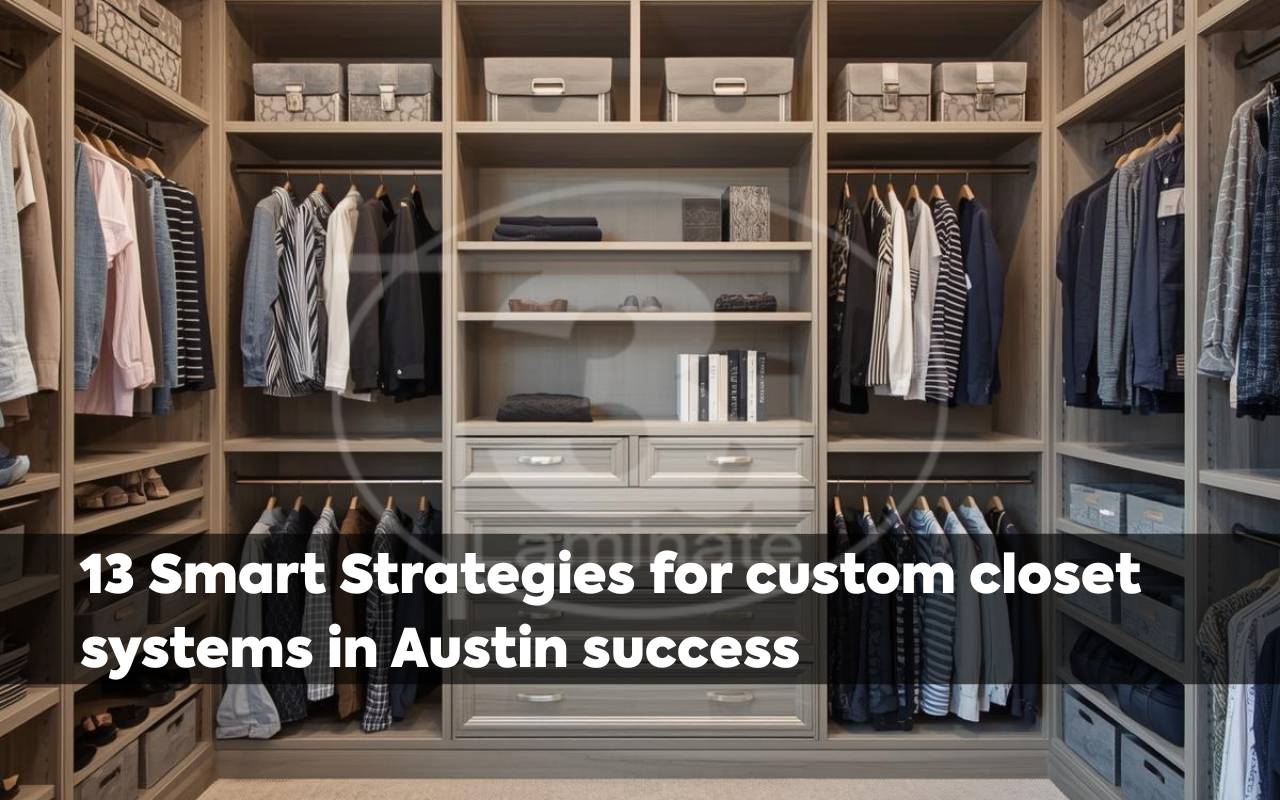
Custom closet systems in Austin are more than a trend; they are a simple way to calm daily chaos. When you plan your storage with care, every shelf, rod, and drawer works harder for you. In this guide, you will find clear ideas, real examples, and easy tips you can start using soon.
Instead of guessing, you will see how to plan, install, and maintain a system that actually fits your routines. By the end, you will know what to ask your designer, which materials make sense, and how to avoid common mistakes that waste space, time, and money.
Custom Closet Systems in Austin vs Traditional Closets
Traditional closets often mean one rod, one shelf, and a lot of wasted corners. When you invest in custom closet systems in Austin, you move beyond basic hanging rods and wire shelves. You get storage that matches how you dress, work, and live in your home every day.
Simple overview for homeowners
Think about how your current closet feels. Maybe clothes pile up, shoes hide in the back, and accessories end up on the floor. A planned system uses your full wall height, smart lighting, and better materials so your closet becomes a calm and easy space to use.
- Traditional closets use standard heights; custom layouts match your reach and your wardrobe.
- Basic closets ignore corners; custom designs turn corners into useful shelves or hanging space.
- Standard builders offer one layout; custom designers adjust to your room, style, and budget.
Why Custom Closet Systems in Austin Matters
A well-designed closet saves minutes every morning and lowers stress each night. When everything has a clear place, you spend less time hunting for shoes, bags, or belts. Over months and years, that extra calm adds up to a smoother routine and a better use of your home.
- More usable space from floor to ceiling, especially in old Austin homes with odd walls.
- Better visibility, thanks to open shelves, lighting, and clear zones for each item type.
- Less clutter, because the layout gently guides what you keep and what you let go.
- Higher resale appeal, since buyers love finished closets that feel built for real life.
Tools and resources for smart closet design
You do not need to design everything alone. Simple tools and expert help make each choice easier. Use digital planners, mood boards, and in-home consultations to test ideas before you drill a single hole or buy a single shelf. That way, your final design feels intentional, not random.
- Use tape and sticky notes on walls to map hanging areas, shelves, and drawers at real height.
- Collect photos of styles you like; this helps your designer match colors and hardware.
- Ask for 3D renderings to see how your layout will look from different angles.
- Explore matching custom cabinets in Austin for nearby bedrooms or hallways.
- If you have a second home, consider coordinating with custom cabinets across Texas for a unified style.
Common closet design pitfalls to avoid
Many closets fail not because of bad products, but because of rushed decisions. People often forget to measure bulky coats, long dresses, or luggage. Others pack in too many shelves and then have no space for hanging items. Learning from common mistakes will save future headaches.
- Skipping a clear plan for reach-in vs walk-in layouts before you start buying parts.
- Ignoring door swing, which can block drawers or hamper access to corner shelves.
- Placing rods too high or too low for the people who actually use the closet.
- Choosing cheap hardware that sags under heavy jeans, coats, or bags.
- Forgetting a landing spot for laundry baskets, luggage, or seasonal bins.
Closet design strategies that work
Strong closet results come from simple, consistent actions. Measure carefully, group similar items, and think about how you move through your day. Focus on practical upgrades that help each category of clothing and accessories, instead of chasing the latest trend or fancy gadget.
Key elements to consider
Start with your daily habits, not with the products. Count how many long items you hang, how many pairs of shoes you own, and how often you change outfits. This honest review turns vague ideas into clear needs, so your final layout feels tailored, not generic.
- Plan separate zones for work clothes, casual items, and special occasion pieces.
- Use double hanging rods for shirts and pants; reserve single rods for dresses or coats.
- Add drawers for items that look messy on open shelves, like socks or workout gear.
- Include open shelves for sweaters so they stay folded and easy to grab.
- Design a shoe area with flat shelves or angled racks, based on your shoe styles.
- Place accessories like belts, ties, and jewelry in shallow trays or pull-out panels.
- Use hooks near the door for bags or tomorrow’s outfit to save time in the morning.
- Reserve one “flex” section that can change as your wardrobe shifts over time.
- Think vertical: use the space above the door for rarely used boxes or luggage.
- Add lighting so every shelf and corner is easy to see, even early or late.
- Choose materials that match nearby rooms, especially if you have built-in cabinetry.
- Review hardware finishes so they pair well with your Total 3D Cabinets design style.
- Once the layout feels right, schedule your custom closet consultation to turn the plan into a real project.
Frequently Asked Questions
How do I choose between a reach-in vs walk-in closet layout?
First, measure your room and note any windows, doors, or vents. Reach-in layouts suit smaller walls and simple wardrobes. Walk-in layouts work best when you have enough depth for comfortable movement and want more storage zones, such as seating, mirrors, or island drawers.
Where should I place drawers inside my new closet?
Keep drawers between your hips and shoulders so they are easy to open and see into. Place everyday items, like underwear and t-shirts, in the top drawers. Use lower drawers for heavier pieces, like jeans or sweatshirts, that you do not need to access as often.
What accessories make the biggest difference in a closet?
Start with simple accessories that fix real problems. Pull-out trays help with jewelry and watches. Valet rods hold outfits for the next day. Hooks handle bags and hats. Slide-out baskets work well for kids’ toys or sports gear, since they are easy to open and close.
How long does it take to design and install a custom closet?
The timeline depends on the size of your project and how many changes you request. Simple closets move faster, while multi-room projects take longer. The best approach is to talk with your designer early so you can plan around busy seasons, guests, or major life events.
Can my closet match the style of my cabinets and other rooms?
Yes, and it often looks better when it does. You can echo cabinet door styles, hardware finishes, and colors from nearby rooms. This creates a calm, unified look through your home and works especially well when paired with custom cabinetry in bedrooms, hallways, or offices.
The future of closet design in Austin
Key elements to consider
Closet design will keep changing as life in Austin changes. People want flexible layouts that can shift for new jobs, hobbies, or family needs. Modular parts, better lighting, and durable finishes help your closet stay useful even as your wardrobe grows, shrinks, or changes.
With the right custom closet systems in Austin, you will be ready for new routines, new seasons, and new ways of living in your home.